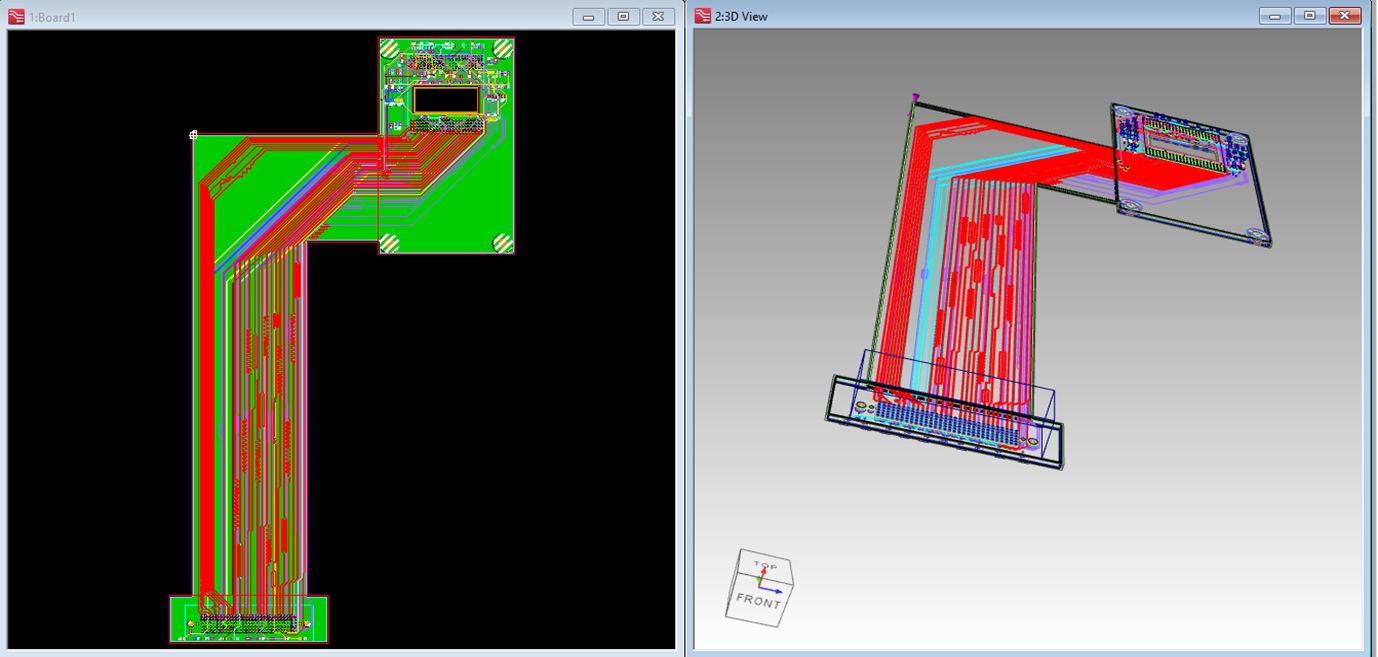
Flexible and flex-rigid PCBs come in all shapes and sizes, and are increasingly being used in orbit to reduce mass, size, cost, assembly and test, as well as improve reliability by removing the need for physical connectors and harnesses to interface with high-bandwidth sensors.
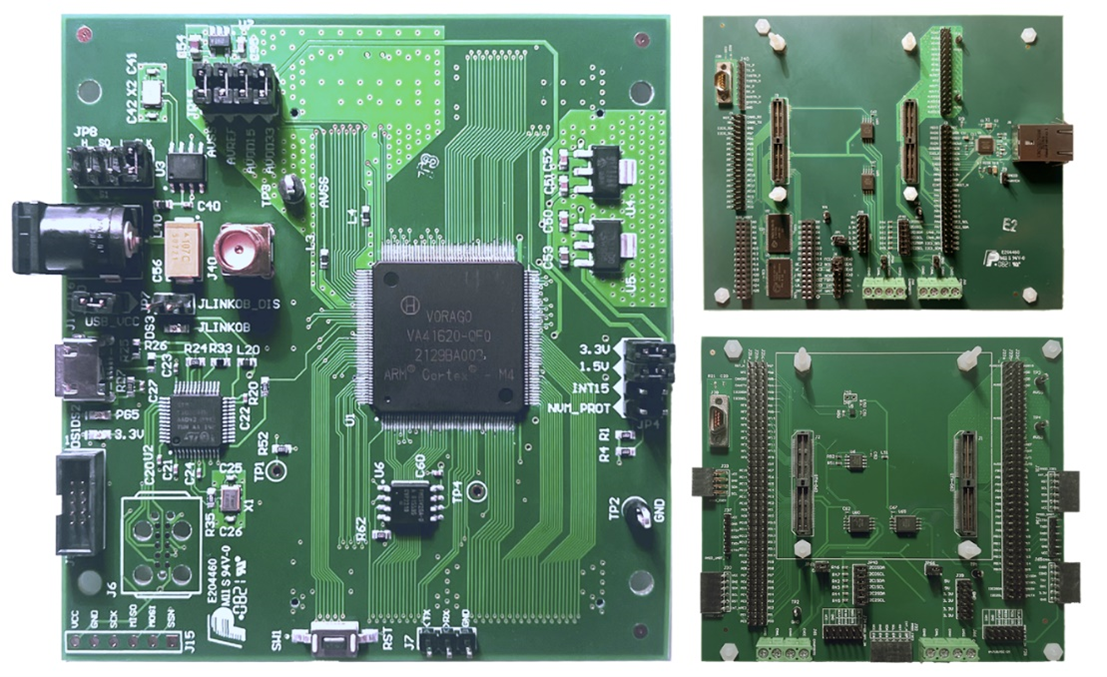
Over 200 billion ARM cores have been shipped many of which are being used in safety-critical applications such as the braking systems of a car, automobile power steering, self-driving vehicles, aircraft, medical, railway and industrial control sub-systems etc... The space industry has been flying ARM cores for almost a decade, either as IP within an FPGA or ASIC, or as small, low-power, discrete, radiation-hardened MCUs.
Powering-on your Space Electronics for the first time is always daunting, but very exciting! For initial board ‘bring-up’, there are always so many questions: is your design functional? Has the PCB been fabricated reliably? Has the hardware been assembled correctly, e.g. have parts been placed in the correct orientation and/or have BGAs/CGAs been checked to ensure there are no solder bridges? Once in orbit, the obvious concern is whether your avionics survived the shock and vibration of launch? Before powering-on your Space Electronics for the first time, there is a choregraphed sequence of checks you need to carry-out before supplying a voltage. What happens if there is a short-circuit after applying power?
Rajan’s award-winning blog on Space Electronics, Out-of-this-World Design, is being read by 19,000 people every month and has been viewed almost eight million times. Articles have been hosted by EDN since 2013 and selected posts can be viewed by hovering and clicking the images below:
New Company of 2017 and High-Reliability Product of 2017
High-Reliability Product of 2016
International Company of 2018
Top 100 StartUp
Wolfram
Oct 06, 2025 10:00:27Kenneth Wilson
Jul 14, 2022 03:58:06